Bruised, soft spots
Functional hail damage fractures or bruises the shingle mat underneath the granules. It often looks minor from the ground but shortens the roof's life and is what adjusters are trained to find by hand.
Hail Damage · Free Storm Inspection
The order matters. Document the storm, get a free inspection with photos, then file with the storm date. Pikes Peak Roofing inspects first, so you file a claim only when the damage is real, and you have the evidence an adjuster looks for when it is.
Active leak after a storm? We tarp first and sort out the paperwork second. Call through the form and say it is leaking.
Why here, why often
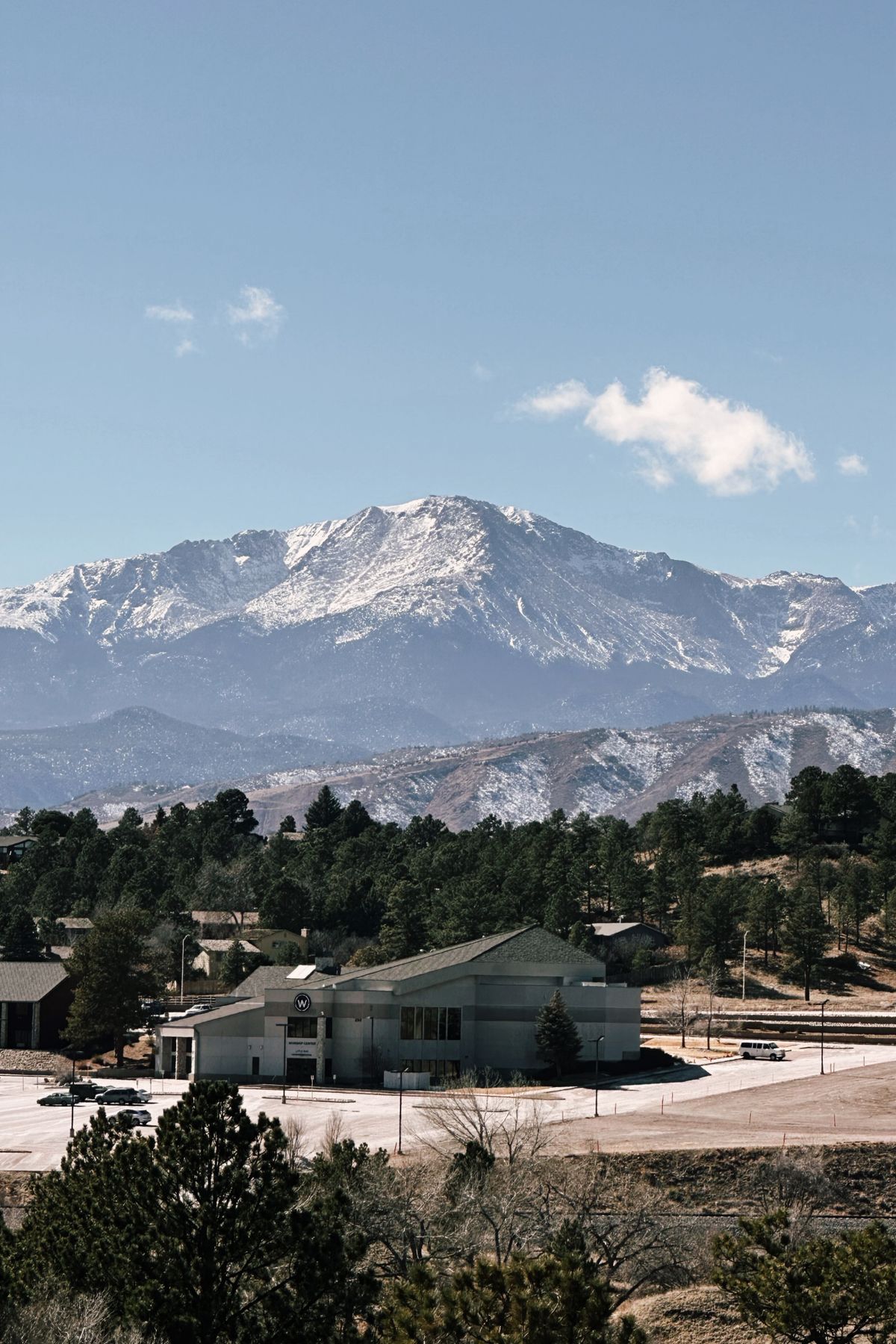
El Paso and Teller counties have logged 777 NOAA hail reports in a decade: 716 of them at one inch or larger, 69 at two inches or larger, and four-inch stones at Schriever SFB in August 2023 and in Widefield in August 2018. The season runs roughly April through September, peaks in July, and delivers three to five significant events most years. The June 2018 storm alone caused about $169 million in insured losses in El Paso County.
That frequency is why most roof replacements in Colorado Springs are insurance jobs, and why the claim process matters as much as the roofing. Our claims guide walks through the deadlines and deductible rules in plain language.
Real damage vs. cosmetic
Functional hail damage fractures or bruises the shingle mat underneath the granules. It often looks minor from the ground but shortens the roof's life and is what adjusters are trained to find by hand.
Handfuls of granules washing out after a storm mean the protective surface is gone in patches. Exposed asphalt ages fast under Colorado Springs UV, which is already 15 to 20 percent stronger at this altitude.
Vents, flashing, turbines, and gutter metal dent before shingles show anything. Dented soft metals across a roof are a reliable early indicator that the shingles took real hits too.
Blistering, worn granules from age, and mechanical marks are not hail, and we will tell you so. Filing a claim on a worn-out roof wastes your one deadline and puts a claim on your record for nothing.
The right order
1. Document from the ground. Photograph hail in your hand or against a coin, damage you can see, and anything leaking inside, with the date. Do not climb on the roof.
2. Free inspection before the insurer. We photograph every slope, mark and measure test squares the way an adjuster does, and give you a straight answer: file, repair out of pocket, or do nothing.
3. File with the storm date. If the damage is real, file promptly. Most policies set a notice deadline around one year, well before Colorado's two-year legal deadline, and the policy clock is the one that bites.
4. We meet your adjuster. We walk the roof with them, compare photo documentation, and make sure the scope matches the damage. Approved work is then replaced or repaired under permit, and we handle the final invoicing.
Common questions
Document, then inspect, then file, in that order. An inspection before you call your insurer means a claim only goes on your record when there is documented damage to support it.
Two clocks run: Colorado's two-year statute (C.R.S. 13-80-102) and your policy's own notice deadline, often one year. The policy deadline arrives first. Storms from last season may still be claimable, but do not wait to find out.
No, and run from anyone who offers. Colorado's SB 38 makes it illegal for a roofer to pay, waive, or rebate your deductible. Wind and hail deductibles here are usually 1 to 5 percent of your home's insured value, and we will do that math with you honestly before you file.
That is emergency work, not claim paperwork. We tarp and stop the water first, document everything for your claim while we are up there, and then walk through the permanent fix.
Tell us what the roof is doing and we will schedule an inspection with full photo documentation. The inspection and the written quote are free.
Thanks, we got it. We will call you back shortly to schedule your inspection.